Concrete Poly Jacking in Denver, CO
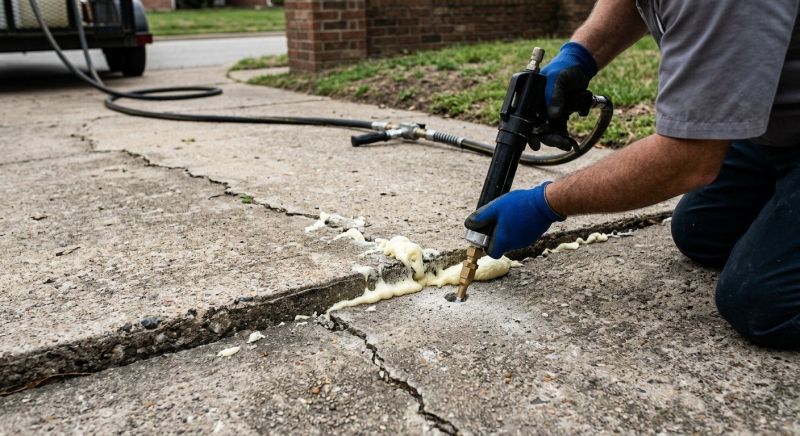
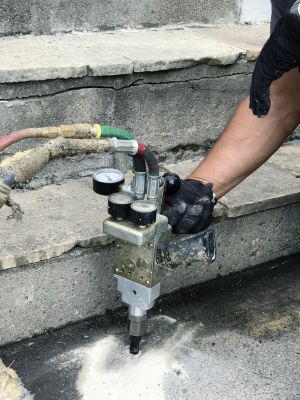
Concrete poly jacking is a repair method used to lift and stabilize sunken or uneven concrete surfaces, such as driveways, sidewalks, patios, and garage floors. The process involves injecting a specialized polyurethane foam beneath the affected area to raise it back to its original position, providing a quick and minimally invasive solution. This service is often sought when property owners notice cracks, shifting, or unevenness that can pose safety hazards or affect the appearance of outdoor spaces.
Before requesting concrete poly jacking, property owners should consider the extent of the damage and whether the concrete has experienced significant settling or cracking. It’s important to understand that this method is most effective for minor to moderate unevenness and may not be suitable for severely damaged or structurally compromised slabs. Clarifying the condition of the concrete and the desired outcome can help determine if poly jacking is an appropriate solution for restoring safety and aesthetics.
Many property owners in Denver, CO look into Concrete Poly Jacking for repairs, replacements, upgrades, and appearance-related improvements.
Benefits Of Concrete Poly Jacking
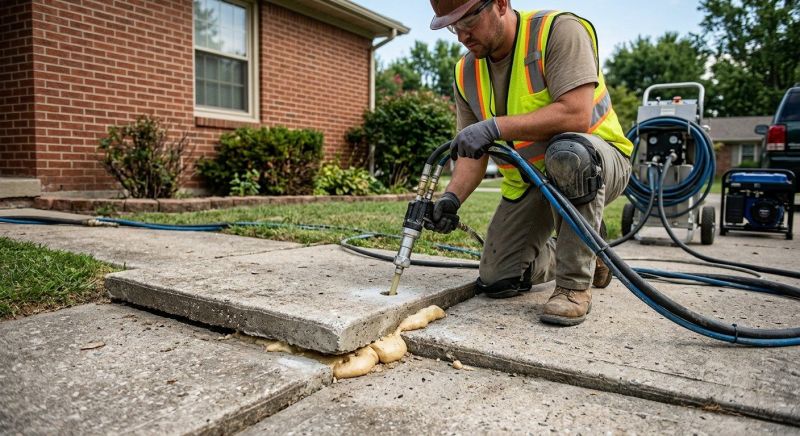
It provides a cost-effective and minimally invasive way to lift and level sunken concrete surfaces.
Common Applications
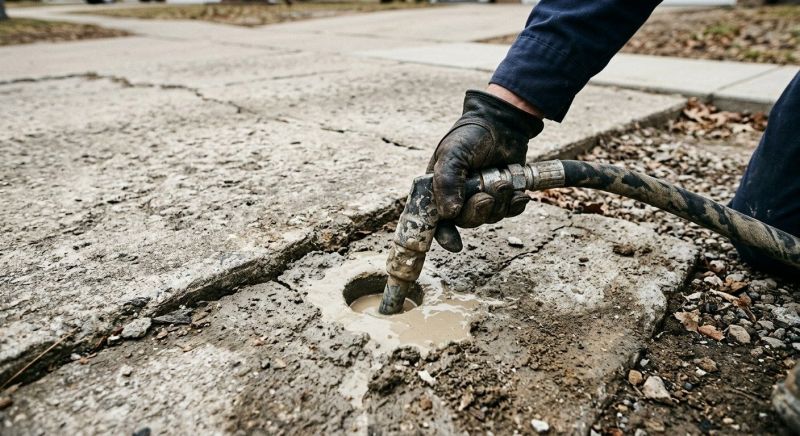
This service is often used to repair driveways, sidewalks, and patios that have settled or cracked over time.
What To Expect
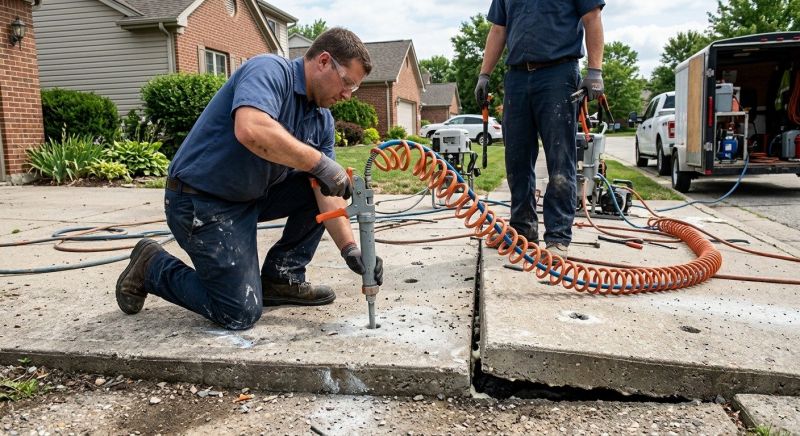
The process involves injecting a specialized polymer beneath the slab to restore stability and evenness.
Concrete Poly Jacking in Denver, CO
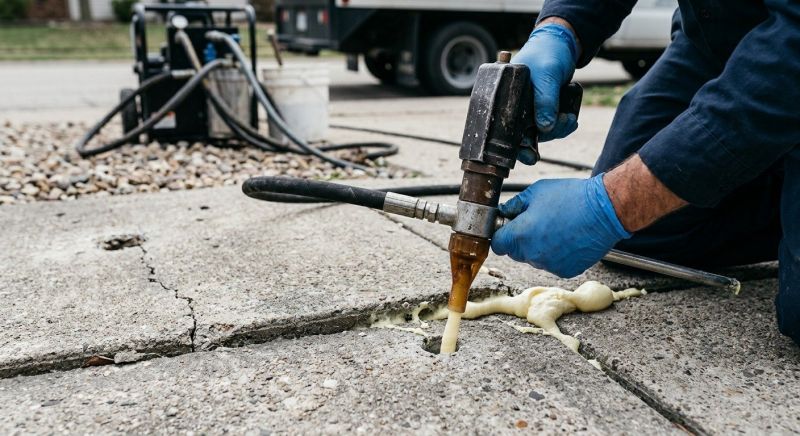
Concrete poly jacking is a repair method used to lift and stabilize sunken or uneven concrete surfaces, such as driveways, sidewalks, patios, and garage floors. The process involves injecting a specialized polyurethane foam beneath the affected area to raise it back to its original position, providing a quick and minimally invasive solution. This service is often sought when property owners notice cracks, shifting, or unevenness that can pose safety hazards or affect the appearance of outdoor spaces.
Before requesting concrete poly jacking, property owners should consider the extent of the damage and whether the concrete has experienced significant settling or cracking. It’s important to understand that this method is most effective for minor to moderate unevenness and may not be suitable for severely damaged or structurally compromised slabs. Clarifying the condition of the concrete and the desired outcome can help determine if poly jacking is an appropriate solution for restoring safety and aesthetics.
Many property owners in Denver, CO look into Concrete Poly Jacking for repairs, replacements, upgrades, and appearance-related improvements.
Common Concrete Poly Jacking Jobs
Driveway Repair - restores uneven or cracked concrete slabs to improve safety and appearance.
Foundation Stabilization - lifts and supports settling or sinking concrete foundations for structural integrity.
Sidewalk Leveling - raises sunken or uneven walkways to prevent tripping hazards.
Garage Floor Leveling - corrects uneven garage surfaces for safety and vehicle compatibility.
Concrete Slab Replacement - lifts and replaces damaged slabs without extensive excavation.
Patio and Walkway Lifting - elevates sunken outdoor surfaces to enhance usability and curb appeal.
Concrete Poly Jacking Questions
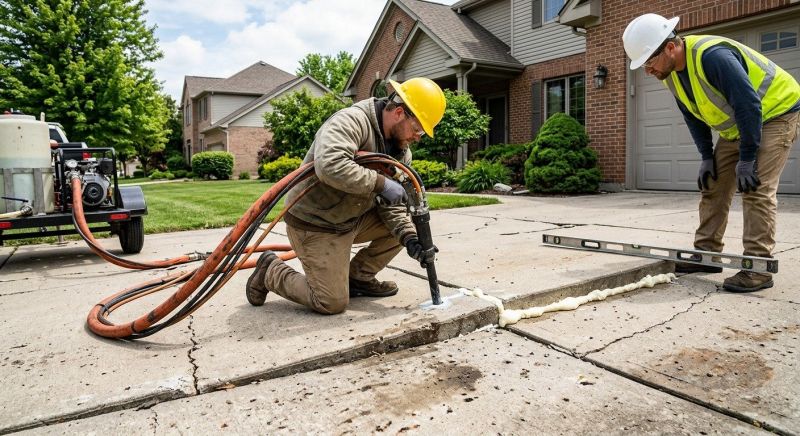
What is concrete poly jacking? It is a process that lifts and stabilizes sunken or uneven concrete slabs using polyurethane foam injections.
What types of projects are suitable for poly jacking? It is ideal for driveways, sidewalks, patios, and garage floors that have settled or cracked.
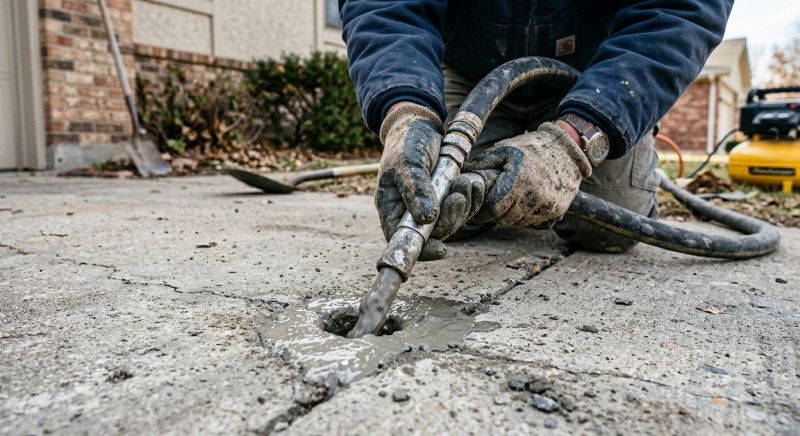
How does poly jacking differ from traditional mudjacking? Poly jacking uses lightweight foam that cures quickly and causes less disruption compared to mud-based methods.
Is poly jacking a permanent solution? When properly applied, it provides a long-lasting lift and stabilization for concrete surfaces.
Request Concrete Poly Jacking in Denver, CO
Use the quote form on this page to share the basics of your project and request more information for the type of work you need.